
- All
- Product Name
- Product Keyword
- Product Model
- Product Summary
- Product Description
- Multi Field Search


Views: 0 Author: Site Editor Publish Time: 2026-06-26 Origin: Site


The underground mining environment is brutally unforgiving. Searing heat, abrasive dust, and tight spatial constraints constantly push heavy machinery to physical limits. Load-Haul-Dump (LHD) loaders operate at the very center of this chaos. They endure immense operational pressure daily.
Reactive maintenance utilizing sub-standard components actively destroys operational profitability. When critical sections fail deep underground, you face catastrophic downtime. Poor component choices introduce severe safety risks for your operators. Finding reliable solutions matters immensely for your entire production cycle.
You will discover why component quality dictates continuous production. We will explore the massive financial drain caused by inferior components. You will also learn how to evaluate aftermarket alternatives safely. Procuring excellent replacement components represents a critical risk-management and cost-control strategy for mine operators.
Sub-standard parts inflate the Total Cost of Ownership (TCO) through unplanned downtime, which costs exponentially more than the initial savings on the part itself.
Critical systems, particularly loader drivetrain parts and high-pressure hydraulics, require strict metallurgical and dimensional tolerances to survive underground conditions.
Evaluating replacement parts requires balancing OEM guarantees against premium aftermarket alternatives using verifiable data (e.g., wear life, material certification).
Supplier selection must prioritize supply chain reliability and technical support over strictly lowest-bidder pricing.
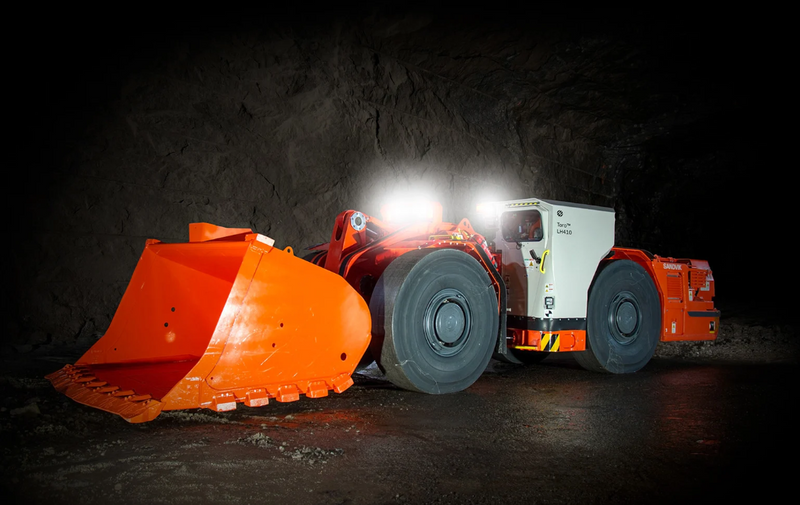
Many buyers attempt to save money during initial procurement. You might find a generic component offering a fifteen percent discount. However, this choice often leads to catastrophic mid-shift failures. Production halts immediately. An idle LHD loader causes immense hourly revenue losses. The initial procurement savings vanish instantly. Your operation begins bleeding money.
Evaluating overall financial impact requires looking far beyond the initial invoice. Consider your ongoing labor expenses. Mechanics must perform premature, repeated replacements. Transporting replacement components down a deep shaft creates a logistical nightmare. Every extra trip drains your operational budget further. These hidden expenses multiply rapidly over the machine lifecycle.
Inferior components also trigger severe collateral damage. A cascading failure effect ruins surrounding mechanical systems. Imagine a cheap hydraulic seal failing under immense pressure. The broken seal contaminates the entire hydraulic circuit. You now face a massive system overhaul instead of a simple seal replacement. Quality Underground Mining Loader Parts prevent these disastrous chain reactions. They protect your expensive core machinery from unnecessary wear.
Certain machine sections endure extreme abuse daily. You cannot compromise on these elements. Precision engineering ensures your loaders survive the harshest rock conditions.
Your operators push loaders up incredibly steep ramps. These inclines demand immense power transfer. Key loader drivetrain parts include axles, transmissions, and torque converters. They must withstand massive high-torque loads continually. Constant directional shifting creates severe mechanical stress. Inferior gears will strip under these harsh conditions. Superior drivetrain components utilize hardened steel alloys. They ensure smooth power delivery across all operational phases.
Hydraulic power drives the lifting and dumping actions. Crucial components include pumps, hoses, and lift cylinders. These parts face constant thermal degradation risks. High-pressure blowouts present a constant threat. Your replacement parts must resist extreme fluid pressures safely. Enclosed mine spaces require fire-resistant fluid compatibility. Cheap rubber hoses degrade rapidly when exposed to specialized fluids. You must select premium seals to prevent catastrophic leaks.
The bucket constantly smashes into abrasive rock. Key wear components include bucket lips, shrouds, pins, and bushings. You must evaluate their specific abrasion resistance metrics. Engineers measure this durability using the Brinell hardness scale. Specialized alloys extend the Mean Time Between Replacements (MTBR). Higher hardness ratings mean fewer bucket rebuilds per year.
Component Category | Core Parts Included | Primary Evaluation Criteria | Common Failure Mode if Sub-Standard |
|---|---|---|---|
Drivetrain | Axles, Transmissions, Torque Converters | High-torque tolerance, alloy hardening | Stripped gears on steep ramp gradients |
Hydraulics | Pumps, Hoses, Lift/Tilt Cylinders | Thermal resistance, blowout prevention | Seal rupture causing system contamination |
GET / Wear | Bucket Lips, Shrouds, Pins, Bushings | Brinell hardness, abrasion metrics | Rapid structural wear requiring early rebuilds |
Original Equipment Manufacturer (OEM) components set the baseline standard. They guarantee exact fitment every single time. They also ensure full warranty compliance for your equipment. However, relying exclusively on OEM supply channels has downsides. You often face painfully long lead times. Manufacturers also apply significant premium markups on their branded boxes.
You should strongly consider the premium aftermarket alternative. True premium aftermarket components match or exceed OEM specifications. Engineers reverse-engineer them utilizing advanced CNC machining precision. Reputable manufacturers maintain highly transparent material sourcing practices. They deliver identical performance without the heavy brand markup.
You must fiercely avoid cheap, non-certified replicas. These knock-offs introduce unacceptable operational risks. Apply a highly skeptical lens during procurement. Demand comprehensive metallurgical testing reports from your supplier. If they cannot produce this data, walk away immediately. Trusting unverified metals deep underground invites disaster.
Underground machines demand absolute fitment and tolerance validation. Structural pins endure immense payload stress during mucking. Even one millimeter of variance causes accelerated joint wear. Loose pins destroy the entire loader arm assembly eventually. Precision manufacturing remains non-negotiable for heavy equipment.
Component integrity connects directly to human safety. You must protect your operators at all costs. A catastrophic brake failure on a decline is terrifying. Sudden steering loss creates a severe safety incident immediately. Reliable Underground Mining Loader Parts prevent these life-threatening scenarios completely. Quality engineering keeps your workforce secure.
Regulatory compliance requires constant vigilance from management. Agencies like MSHA enforce strict operational guidelines globally. Quality components maintain your machine's baseline compliance status. They prevent dangerous exhaust emission spikes. They also ensure fire suppression systems function perfectly. Using sub-standard materials puts your operating license at risk.
Underground environments introduce unique environmental degradation factors. Highly corrosive mine water destroys unprotected metal rapidly. Extreme humidity accelerates rust formation on exposed surfaces. Poor ventilation leads to excessive ambient heat buildup. High-quality materials resist these specific underground threats effectively. They utilize advanced anti-corrosion coatings to survive longer.
Choosing the right vendor requires careful strategic evaluation. You need partners who understand your specific operational challenges. Follow these essential steps when evaluating potential component suppliers.
Demand Traceability and Evidence: Instruct buyers to ask for official material certificates. Review their internal quality assurance (QA) processes thoroughly. Request case studies proving wear life in similar rock conditions.
Evaluate Inventory and Logistics: Assess the supplier's ability to hold local inventory. A great component is useless during a machine-down scenario. Waiting twelve weeks for delivery ruins your production schedule.
Verify Warranty and Technical Support: Look for suppliers who stand behind their components proudly. Demand clear, straightforward warranty terms before signing contracts. Ensure they offer engineering support for chronic failure analysis.
Execute a Next-Step Action: Recommend conducting a limited small-scale trial first. Test a specific set of pins or one hydraulic cylinder. Monitor performance closely before shifting the entire procurement contract.
These steps protect your operation from unreliable vendors. Prioritize supply chain reliability over the lowest bid. A supportive vendor acts as a true operational partner. They help you minimize downtime through predictive inventory planning.
Sourcing premium replacement components acts as a strategic investment. It directly maximizes your overall machine availability and site safety. Reactive maintenance using cheap materials drains your operational budget. You must protect your heavy machinery from premature destruction.
The cheapest component often proves to be the most expensive. Once installed, inferior materials fail rapidly under stress. They cause severe collateral damage and massive production delays. You cannot afford these preventable operational disruptions.
Take immediate action to protect your mining fleet today. Audit your current component failure rates across all machines. Calculate the true financial impact of unplanned downtime. Browse a reliable catalog of certified, high-tolerance components. Equip your loaders to conquer the toughest underground challenges successfully.
A: You should inspect critical loader drivetrain parts based on OEM recommended intervals. However, always adjust these timelines for your site-specific conditions. Highly abrasive environments and severe incline grades accelerate mechanical wear significantly. Conduct visual inspections daily and perform comprehensive fluid sampling every 250 hours. Early detection prevents catastrophic transmission failures mid-shift.
A: Utilizing aftermarket mining components generally does not void warranties. Laws similar to the Magnuson-Moss Warranty Act protect consumers globally. The OEM cannot void your warranty unless they prove the aftermarket component directly caused the specific failure. Always verify your specific contract terms. Partnering with reputable premium aftermarket suppliers minimizes this risk entirely.
A: Fluid contamination represents the most common cause of premature failure. Abrasive dust and corrosive mine water frequently infiltrate hydraulic systems. Using structural components lacking adequate metallurgical strength also causes rapid breakdowns. When a component's hardness cannot match your specific rock abrasiveness, it will wear out exponentially faster than expected.
A: You must request official mill certificates from your supplier. These documents prove the exact chemical composition of the steel. Mechanics should always check dimensional tolerances using precision calipers before installation. Furthermore, verify your supplier adheres to ISO 9001 or equivalent manufacturing standards. This ensures consistent quality control across their production line.
