
- All
- Product Name
- Product Keyword
- Product Model
- Product Summary
- Product Description
- Multi Field Search



Views: 0 Author: Site Editor Publish Time: 2026-06-26 Origin: Site


Mining operations endure extreme environmental realities daily. Sudden equipment failure halts production instantly. In this high-stakes industry, unexpected vehicle downtime easily costs thousands of dollars every single hour. Many fleet managers view drivetrains simply as basic mechanical necessities. They believe these parts merely keep heavy trucks rolling forward. However, this complex network functions as the critical variable. It dictates daily fuel burn rates, maximum payload efficiency, and overall fleet availability.
The physical link between engine power and actual wheel movement defines site profitability. Selecting robust components prevents massive operational losses. These upgrades also boost haul truck endurance significantly. We will outline a clear evaluation framework. You can use it to assess components and maximize operational reliability. You will discover exactly how specialized drivetrain upgrades transform raw engine power into sustainable, predictable mining performance.
Upgrading specific transmission system parts directly influences payload capacity and gradeability on steep mining terrains.
Evaluating a torque converter and planetary gear sets based on thermal tolerance prevents catastrophic failures under continuous heavy loads.
Procurement decisions between OEM and high-tier aftermarket parts must prioritize material traceability and warranty terms over initial acquisition costs.
Successful implementation requires aligning part specifications with existing fleet maintenance schedules and fluid management protocols.
Mechanical inefficiencies drain operational budgets quickly. Think about the power loss occurring between the engine block and the drive wheels. A haul truck engine might generate massive horsepower. However, a slipping drivetrain wastes much of this vital energy as heat. This inefficiency directly translates to increased fuel consumption per ton hauled. You end up burning significantly more diesel just to move the same amount of rock.
A high-performing system changes this dynamic entirely. We define operational success in a mining context through several strict criteria. First, operators need highly predictable shift schedules. Second, they require optimal thermal management under continuous heavy loads. Most importantly, fleets must achieve zero unplanned downtime. Every component must survive the entire duration between scheduled maintenance intervals.
Many operators wrongly prioritize raw engine power above all else. We must be completely transparent about a core mechanical assumption here. Massive horsepower remains completely unusable unless a resilient drivetrain transfers torque efficiently. You cannot leverage expensive engine upgrades if the gearing system fails under extreme loads. The engine provides the potential, but the drivetrain delivers the actual performance.
Predictable Shift Schedules: Gears must engage smoothly without any hesitation or dangerous stalling.
Optimal Thermal Management: Internal fluid temperatures must remain highly stable during long, steep inclines.
Zero Unplanned Downtime: Parts must endure severe duty cycles without catastrophic midday failures.
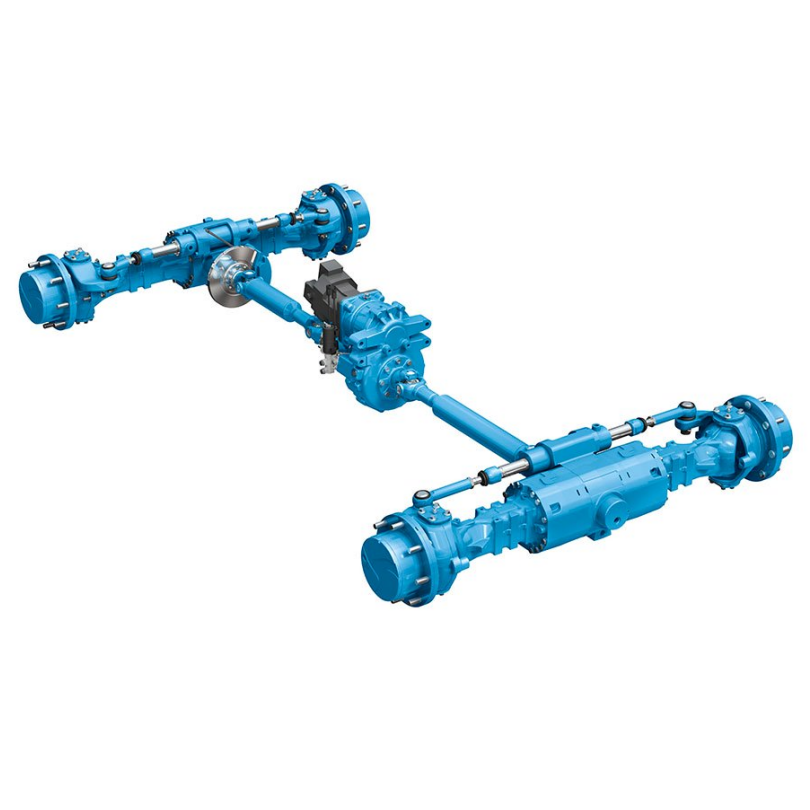
Specific internal components determine whether a heavy haul truck conquers a steep grade or stalls completely. Upgrading your Transmission System Parts directly boosts both fleet longevity and daily hauling capacity. Let us examine the specific features driving these positive outcomes.
A heavy-duty torque converter manages fluid coupling dynamically. It acts as a vital buffer between the spinning engine and the gearing. This mechanism prevents engine stalls during heavy, stationary loading phases. When a massive excavator drops tons of rock into the truck bed, the drivetrain absorbs immense shock. The fluid coupling smooths out these violent force spikes safely.
High-capacity lock-up clutches represent a major functional upgrade. They physically connect the engine and transmission at higher travel speeds. This solid connection eliminates fluid slippage entirely. It reduces heat generation significantly across the entire system. Ultimately, you improve fuel economy dramatically on long uphill hauls.
Planetary gear sets handle extreme torque multiplication. Assessing gear metallurgy becomes crucial for demanding mining applications. Manufacturers typically use forged, carburized steel. This specific hardening process allows gears to survive continuous heavy loading safely. Standard factory alloys often shear or chip under similar mechanical stress.
Precision-machined gears ensure flawless mesh engagement. They reduce harmful vibration and minimize parasitic power loss. You transfer more actual energy directly to the tires. This precise load distribution directly improves hauling speed. It also extends overall vehicle longevity by reducing internal mechanical fatigue.
Stop-and-go mining cycles push friction materials to their absolute thermal limits. Standard factory materials often glaze or burn out under continuous heavy payloads. We must evaluate clutch packs based strictly on their peak heat tolerance.
Advanced heat-dissipating materials prevent dangerous clutch slippage. Upgraded friction discs utilize sintered bronze or advanced synthetic composites. They grip aggressively even at highly elevated temperatures. This capability maintains predictable, confident acceleration when moving maximum payloads out of deep pits.
Component | Primary Mining Function | Upgrade Outcome |
|---|---|---|
Fluid Coupler | Mitigates sudden shock loads during stationary filling. | Lowers operating temperatures and saves fuel. |
Planetary Gears | Multiplies torque for steep gradient climbing. | Reduces parasitic loss and increases hauling speed. |
Clutch Packs | Manages internal gear engagement under heavy loads. | Prevents slippage and ensures steady acceleration. |
Procurement teams constantly debate between standard factory-replacement items and specialized aftermarket upgrades. Deep-pit mining often requires highly application-specific components. Factory standards might not survive these uniquely harsh environments. You must evaluate both solution categories carefully before upgrading your fleet.
We evaluate potential component sources across three specific dimensions:
Durability: Compare raw manufacturing materials closely. Specialized components often use premium forged steel. Standard factory replacements might rely on weaker cast alloys.
Compliance: Verify adherence to industry safety and manufacturing standards. Always check for verifiable ISO certifications before purchasing any internal parts.
Scalability: Assess inventory availability across a mixed-brand mining fleet. You need reliable suppliers who can support multiple vehicle types simultaneously.
We must acknowledge a balanced reality regarding these specialized aftermarket parts. They frequently offer superior thermal resistance and better load handling capabilities. However, they may require much stricter fluid maintenance protocols. You must change oils more frequently and use higher-grade synthetics. Ignoring these enhanced maintenance schedules can easily void your warranty validity.
Purchasing high-quality parts represents only the first step. You must understand the rollout lessons from real-world site implementations. Installation carries numerous hidden expenses. Your mechanic team will require specialized training to handle advanced components properly. Modern drivetrains also demand complex diagnostic recalibration after any major overhaul.
Integrating new parts introduces specific adoption risks. Cross-contamination remains a primary threat during rebuilds. You might install a pristine gear set next to older, worn components. Metal shavings from the old parts will quickly circulate through the fluid. They will destroy the new seals and bearings rapidly. Furthermore, counterfeit or unverified parts occasionally enter global supply chains. Installing just one fake bearing can cause cascading mechanical failures. Entire fleets have been grounded due to single points of failure like this.
You can mitigate these risks through strict maintenance protocols. We recommend conducting baseline oil sampling immediately after installation. Use regular fluid spectroscopy to track wear metals accurately. Additionally, establish strict break-in periods post-installation. Do not push rebuilt vehicles to maximum payload capacity during their first few operating shifts.
You need a logical framework for vetting specialized suppliers. Do not rely solely on glossy sales brochures. Evaluate vendors based on strict operational criteria. Check their immediate inventory availability to prevent long shipping delays. Test their technical support response times before a crisis hits. Demand verifiable case studies proving mechanical success in similar mining environments.
Next, map specific part upgrades to your unique site conditions. An open-pit coal mine requires different gearing than a deep underground gold operation. Analyze your specific gradient profiles carefully. Calculate your true average payload weights. Match the component specifications directly to these daily operational realities.
Procurement teams should request a comprehensive performance audit and part-compatibility review. Complete this vital step before committing to large bulk component purchases. This proactive approach ensures seamless mechanical integration. It protects your capital investment and guarantees long-term operational success.
These critical components act as the primary drivers of fleet efficiency and cost control. They are never just secondary maintenance items. You must treat them as strategic operational investments.
Audit your current fleet's recurring failure points to identify specific component weaknesses.
Prioritize thermal tolerance and torque capacity when selecting upgraded planetary gears and clutches.
Enforce strict baseline oil sampling and break-in periods following every installation.
Partner exclusively with vendors who provide verifiable ISO certifications and fast technical support.
Rigorous evaluation and evidence-based sourcing remain your most effective defenses. These strategies protect your operation against unpredictable and expensive operational downtime. Upgrading thoughtfully ensures your fleet operates at peak efficiency.
A: You should tie inspection intervals directly to operational hours and fluid analysis results. Do not rely on standard calendar timelines. Severe mining environments accelerate wear significantly. Conduct routine fluid spectroscopy every 250 to 500 hours. Spikes in specific wear metals indicate internal friction. Schedule a physical inspection immediately if oil samples show excessive aluminum or steel particles.
A: Yes, component upgrades improve fuel efficiency significantly. Standard components often suffer from parasitic power loss. Upgrading to high-capacity lock-up clutches reduces fluid slippage during acceleration. Precision-machined gears ensure smoother power transfer. This efficiency allows the engine to move heavy payloads using less diesel. You directly lower your fuel burn rate per ton hauled.
A: Operators usually notice delayed gear engagement first. The truck might hesitate before moving. You should also watch for unusual fluid discoloration. Burnt, dark oil indicates severe overheating. Dashboard overheating indicators provide critical warnings. Finally, inconsistent or shuddering acceleration under heavy load strongly suggests failing clutch packs. Never ignore these vital early symptoms.
A: It depends entirely on the specific manufacturer agreements. Mixing parts does not automatically void all warranties. However, operators must review specific service-level agreements carefully. Some manufacturers require exclusive use of their branded fluids and components. Always prioritize aftermarket parts carrying independent durability certifications. Consult your legal and maintenance teams before mixing components.
