
- All
- Product Name
- Product Keyword
- Product Model
- Product Summary
- Product Description
- Multi Field Search


Views: 0 Author: Site Editor Publish Time: 2026-08-01 Origin: Site


Unplanned downtime in mining operations carries a severe financial impact. Extreme loads, abrasive dust, and harsh environments accelerate mechanical wear at an unprecedented rate. When critical components fail prematurely, operators often suspect manufacturing defects. However, the root cause is rarely a flaw in the metal itself. Instead, premature failure is a direct symptom of compromised thermal management and friction control.
Evaluating and optimizing cooling and lubrication systems is a mandatory technical requirement for extending equipment lifecycle and ensuring operational reliability. These fluid systems act as the primary structural defense for the engine block. When they operate efficiently, they prevent catastrophic metal fatigue, abrasive wear, and thermal seizure. Understanding how these systems interact with internal components allows maintenance teams to shift from reactive repairs to proactive lifecycle management, ultimately maximizing the uptime of heavy-duty mining fleets.
Thermal Management Dictates Metal Integrity: Inadequate cooling leads to localized overheating, causing metal fatigue, warping, and catastrophic failure of internal engine parts within minutes of system compromise.
Lubrication is a Structural Defense: Beyond reducing friction, industrial-grade lubrication suspends abrasive mining contaminants and provides a critical fluid film that prevents metal-to-metal contact under extreme torque.
Oil Acts as a Secondary Coolant: Without the thermal transport properties of engine oil, high-friction internal engine parts would overheat and seize rapidly, regardless of the primary cooling system's performance.
Chemical Degradation is a Silent Threat: Improper coolant composition or degraded oil additives cause internal chemical reactions, leading to cavitation, corrosion, and the destruction of engine parts.
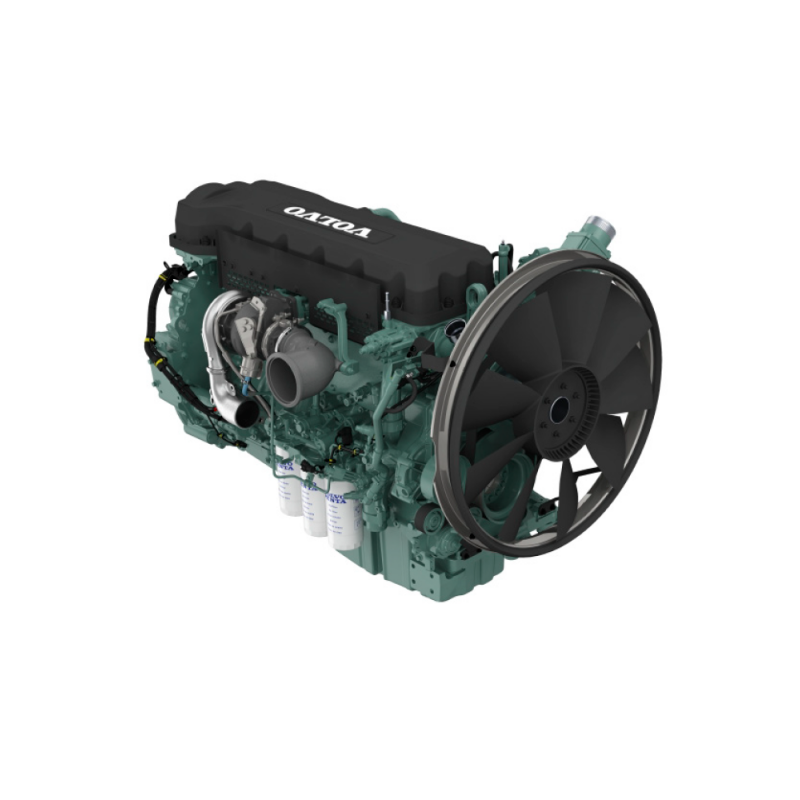
Benchmark Engineering Matters: High-performance mining engines, such as the Volvo Penta TAD1181VE Engine, utilize advanced, integrated fluid architectures that require precise maintenance protocols to achieve their engineered lifespan.
Mining equipment operates under baseline conditions that destroy standard machinery. Constant high-load cycles, extreme ambient temperatures, and high volumes of particulate matter define the daily operating environment. For an engine to survive, its fluid systems must continuously counteract the destructive forces of heat and friction. Open-pit mines expose equipment to massive temperature swings, while underground operations trap heat and exhaust, pushing cooling systems to their absolute limits.
Combustion heat collects rapidly in metal Engine Parts such as pistons, cylinder heads, and exhaust valves. These components possess strict metallurgical limits. Diesel combustion temperatures easily exceed 1,000 degrees Celsius. When a cooling system malfunctions, the engine exceeds these thermal thresholds almost immediately. The excess heat causes uneven thermal expansion across the engine block.
This expansion leads to micro-cracking, severe warping, and eventual melting. In heavy-duty applications, a complete loss of coolant can result in catastrophic engine failure within minutes. The piston expands faster than the cylinder liner, eliminating the engineered clearance. This results in metal transfer, scoring, and a complete lock-up of the rotating assembly.
Engines rely on a hydrodynamic film of oil to separate moving metal surfaces. Under heavy mining loads and extreme torque, this film can break down, forcing the system into boundary lubrication. In this state, metal-to-metal contact occurs. The hydrodynamic wedge collapses when shock loads from digging or hauling exceed the oil's film strength.
The situation worsens when abrasive silica dust and particulate matter bypass filtration systems. These contaminants act like liquid sandpaper, causing severe scoring, pitting, and spalling on main bearings and cylinder walls. Once the surface integrity of these components is compromised, rapid mechanical failure follows. Silica ingress is particularly destructive because its hardness exceeds that of most engine bearing materials.
While the water jacket handles the bulk of combustion heat, the lubrication system acts as a secondary heat-dissipation circuit. Many internal components, such as wrist pins, camshaft lobes, and the underside of pistons, remain completely inaccessible to standard coolant jackets. Engine oil absorbs the intense heat generated by friction in these areas and carries it back to the oil pan or cooler.
A failure in oil circulation causes immediate localized overheating, leading to thermal seizure even if the primary water cooling system functions perfectly. High-output mining engines utilize dedicated piston cooling jets that continuously spray pressurized oil onto the bottom of the piston crown. If these jets clog with debris or sludge, the piston crown will overheat, crack, and fail, regardless of coolant temperature.
Cooling systems deploy specific mechanisms to protect the engine block from self-destruction. Analyzing these mechanisms reveals exactly how temperature regulation dictates component longevity. The cooling system is a pressurized circuit that must maintain specific flow rates to prevent localized boiling.
Heat transfer flows from the combustion chambers through the cylinder liners into the water jacket. The water pump then forces this heated coolant into the radiator, where ambient air dissipates the thermal energy. Consistent temperature regulation prevents uneven thermal expansion. If temperatures fluctuate wildly, the differing expansion rates of dissimilar metals can seize pistons within their cylinders, crack cast-iron cylinder heads, or blow head gaskets.
Maintaining strict thermal equilibrium is non-negotiable for component survival. Thermostats regulate this flow, remaining closed during cold starts to bring the engine to operating temperature quickly, thereby reducing cold-start wear. If a thermostat fails closed, the engine boils over. If it fails open, the engine runs cold, leading to incomplete combustion, fuel wash-down on the cylinder walls, and accelerated ring wear.
Coolant is a complex chemical mixture designed to protect metal surfaces. Supplemental Coolant Additives (SCAs) play a vital role in preventing liner pitting and cavitation. Cavitation occurs when pressure changes cause vapor bubbles to form and collapse against the cylinder liner, blasting away microscopic pieces of metal. Over thousands of hours, this creates pinholes through the liner, allowing coolant to mix with engine oil.
Incorrect coolant mixtures, such as mixing Organic Acid Technology (OAT) with Inorganic Additive Technology (IAT), trigger chemical reactions. These reactions create abrasive gels that destroy water pumps, degrade seals, and block narrow cooling passages. Maintaining the correct additive concentration requires regular testing using test strips or refractometers to measure freeze point and nitrite levels.
Coolant Type | Additive Base | Maintenance Requirement | Primary Application |
|---|---|---|---|
IAT (Inorganic Additive Technology) | Silicates and Phosphates | Frequent SCA replenishment (every 250 hours) | Older legacy mining equipment |
OAT (Organic Acid Technology) | Organic Acids (Nitrite-free) | Extended life, minimal testing required | Modern aluminum-block engines |
HOAT (Hybrid Organic Acid Technology) | Organic Acids + Nitrites/Molybdates | Periodic extender addition (every 3,000 hours) | Heavy-duty diesel wet-sleeve engines |
Lubrication systems provide multidimensional protection. Connecting specific fluid functions to the longevity of moving components highlights the necessity of rigorous maintenance. The oil pump draws fluid from the sump, pushes it through the cooler and filter, and distributes it through the main oil gallery to the bearings and valvetrain.
Oil viscosity and system pressure work together to maintain the critical clearance between the crankshaft and the main bearings. Under extreme mining loads, this fluid film must withstand immense pressure without rupturing. Clearances in heavy-duty engines are often as tight as 0.002 inches. If the viscosity drops due to thermal breakdown or fuel dilution, the film thickness decreases, leading to bearing wear.
The continuous flow of oil provides a secondary cooling effect, absorbing heat from the underside of pistons and lower engine areas where friction is highest. Using the correct viscosity grade, such as a 15W-40 or 5W-40 synthetic, ensures the oil flows quickly during cold starts while maintaining adequate film thickness at operating temperatures exceeding 100 degrees Celsius.
Modern industrial oils contain specialized detergent and dispersant additives. These chemicals trap soot, silica dust, and metallic wear particles, keeping them suspended in the fluid until they reach the oil filter. Without this suspension capability, contaminants would agglomerate and form abrasive sludge that blocks oil galleries and starves the top end of the engine.
The Total Base Number (TBN) of the oil measures its ability to neutralize acidic combustion byproducts. Diesel fuel contains sulfur, which forms sulfuric acid during combustion. If the TBN depletes, these acids attack internal metal surfaces, causing severe chemical corrosion on bearings and cylinder walls. Monitoring TBN depletion through oil analysis dictates the absolute maximum safe oil drain interval.
Grounding these theoretical concepts in practical application requires examining a specific, industry-standard engine. High-performance models demonstrate how advanced fluid architectures manage extreme conditions in the field.
The Volvo Penta TAD1181VE Engine utilizes specific design features to manage heat and friction in off-road and mining applications. It incorporates a dual-stage oil pump that ensures consistent pressure across all RPM ranges, preventing oil starvation during low-speed, high-torque lugging operations. Dedicated piston-cooling nozzles spray oil directly onto the underside of the pistons, aggressively managing thermal loads in the combustion zone.
The integration of high-capacity oil coolers and high-efficiency water pumps ensures that thermal energy moves rapidly away from critical friction points. The block design features optimized coolant routing that prioritizes flow to the hottest areas around the exhaust valves and upper cylinder liners, preventing localized hot spots that cause head gasket failure.
When operators strictly follow OEM fluid specifications, component longevity increases dramatically. Proper maintenance allows the engine to reach its engineered lifespan, often exceeding 12,000 to 15,000 operating hours before requiring a major overhaul. Deviating from these specifications, such as using substandard oil or ignoring coolant flush intervals, directly impacts the operational life of the internal components.
Using incorrect oil grades leads to accelerated camshaft wear and premature turbocharger bearing failure. Failing to maintain coolant chemistry results in cavitated liners that require complete engine teardowns long before the scheduled rebuild interval. Strict adherence to fluid maintenance schedules is the only way to achieve the maximum engineered hours from the iron.
Maintenance teams must weigh the upfront costs of premium fluids and advanced monitoring against the deferred costs of engine replacement and unplanned downtime. Strategic maintenance transforms fluid management into a reliability asset rather than a consumable expense.
Routine oil and coolant spectrographic analysis provides a high return on investment. This testing predicts component wear before catastrophic failure occurs. By identifying specific wear metals in fluid samples, technicians can pinpoint exactly which components are failing. This data allows teams to schedule targeted interventions rather than waiting for an engine to seize.
Wear Metal | Probable Source Component | Action Required if Elevated |
|---|---|---|
Iron (Fe) | Cylinder liners, camshafts, crankshafts | Check air filtration for dust ingress; verify oil viscosity. |
Copper (Cu) | Main bearings, rod bearings, oil cooler core | Inspect oil filter for metal flakes; check for coolant in oil. |
Chromium (Cr) | Piston rings | Perform blow-by test; check for severe dust ingestion. |
Aluminum (Al) | Pistons, thrust bearings, turbocharger housing | Check for thermal overload or turbocharger shaft play. |
Silicon (Si) | Dirt/dust ingress, silicone sealant | Inspect intake piping for leaks; replace air filters immediately. |
Mining fleets often benefit from retrofitting standard systems with heavy-duty alternatives. Upgrading to high-capacity radiators with wider fin spacing prevents dust clogging in high-debris environments. Installing bypass oil filtration systems removes microscopic soot particles down to 2 microns, which standard full-flow filters miss.
Assess the current operating environment to determine the primary contaminant (e.g., silica dust, coal dust, extreme ambient heat).
Install a secondary bypass oil filter housing to capture ultra-fine soot and extend the life of the additive package.
Upgrade the standard radiator core to a heavy-duty, wide-fin design to prevent external plugging from mud and debris.
Fit desiccant breathers to all bulk fluid storage tanks to prevent moisture and airborne dust from contaminating new oil before it enters the engine.
Maintaining complex fluid systems in active mining zones presents practical challenges. Environmental contamination and operational demands constantly threaten system integrity. Field mechanics must execute fluid changes in dusty, uncontrolled environments.
Mixing incompatible coolant types or oil grades carries severe risks. Combining different coolant chemistries causes silicates to drop out, forming a thick sludge that blocks cooling galleries and starves the engine of thermal management. Mixing incompatible oils can neutralize additive packages, rendering the oil incapable of suspending soot or neutralizing acids.
Mitigation requires strict protocols for fluid storage, transfer, and field top-offs. Using color-coded transfer jugs, dedicated dispensing pumps, and sealed bulk storage prevents both chemical and particulate contamination. All dispensing nozzles must be wiped clean before opening the engine fill port to prevent pushing accumulated dirt directly into the valve cover.
Taking mining equipment offline for fluid flushes and system inspections creates operational friction. Production targets often push maintenance schedules to the limit. To minimize losses, maintenance planners must align fluid service intervals with other necessary mechanical downtime.
Performing oil sampling, coolant testing, and filter replacements during scheduled tire changes or hydraulic inspections ensures the engine remains protected without sacrificing excessive fleet availability. Utilizing quick-drain valves and centralized fluid evacuation systems drastically reduces the time required to perform a complete fluid exchange in the pit.
Initiate a comprehensive fluid analysis audit across the entire mining fleet to establish baseline wear metal trends.
Standardize fluid storage and transfer protocols using color-coded, sealed containers to eliminate cross-contamination in the field.
Upgrade filtration systems on vulnerable equipment by installing bypass oil filters and wide-fin radiators.
Implement strict coolant testing intervals using refractometers and test strips to verify freeze point and additive concentrations.
A: Engine components can fail within minutes of a complete cooling system malfunction. Without coolant, combustion heat causes rapid, uneven thermal expansion. This leads to immediate metal fatigue, warping of cylinder heads, and the catastrophic melting or seizure of pistons within the liners.
A: The most common cause is abrasive wear resulting from particulate ingress and boundary lubrication failure. Silica dust bypassing air filters mixes with oil, acting like a grinding paste that rapidly destroys bearings, cylinder walls, and camshafts under heavy shock loads.
A: Cavitation occurs when pressure fluctuations cause coolant vapor bubbles to form and rapidly collapse against the metal cylinder liner. These microscopic implosions blast away tiny pieces of metal, creating deep pits that eventually puncture the liner and compromise structural integrity.
A: Yes. Using OEM-approved, high-tier synthetic oils specifically formulated for industrial engines provides superior film strength, better soot suspension, and higher thermal stability. This directly reduces friction and wear, extending the operational lifespan of the engine.
A: Oil analysis acts as a critical diagnostic tool. It identifies microscopic wear metals, coolant leaks, and fuel dilution long before physical symptoms appear. This allows maintenance teams to pinpoint failing internal components and schedule repairs before catastrophic breakdowns occur.
A: Engine oil flows over high-friction areas that the primary water jacket cannot reach, such as the underside of pistons, wrist pins, and crankshaft bearings. The oil absorbs the intense heat generated in these zones and carries it to the oil cooler for dissipation.
A: Mixing incompatible coolants, such as OAT and IAT formulas, triggers chemical reactions that deplete protective additives. This often causes silicates to precipitate out of the fluid, forming an abrasive gel that destroys water pump seals and clogs narrow radiator passages.
